Payments and payouts, one integration.
Cards, wallets and local methods coming in. Card, SEPA and Faster Payments going out. Your bank settles you directly.
Money in, and money out.
One API.
Accept payments
Cards, wallets and local methods, worldwide.
Order 1001€10.50
PayPay
or pay with card

 Card
Card
 iDEAL
iDEAL
 Bancontact

Pay €10.50
Card payouts
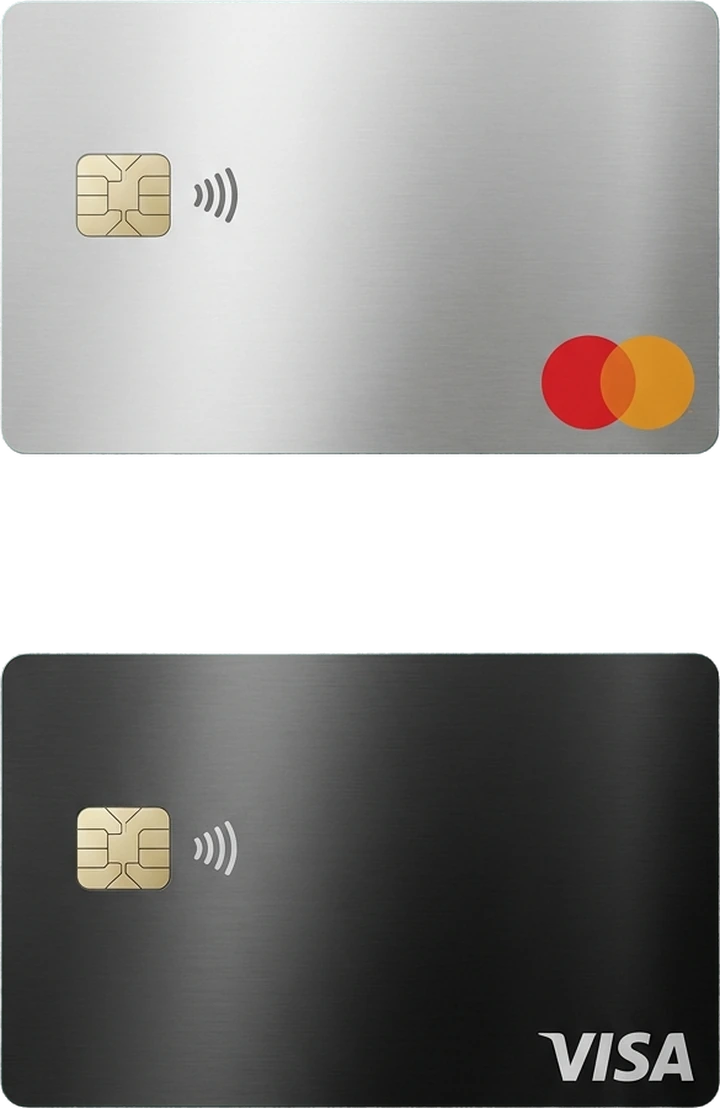
Push funds to Visa and Mastercard, often in minutes.
SEPA & Faster Payments
Send to any bank account, by IBAN or sort code.
Recent payouts
Last 7 days

SEPACompleted
€830.00
DE89 •••• 0130 00

Faster PaymentsCompleted
£2,400.00
04-00-04 · •••• 5678
Settled straight to your own bank account.
Payment methods
Every way your customers pay.
 Bancontact
 Przelewy24
 Satispay
Bancontact
Przelewy24
Satispay
Bancontact
Przelewy24
Satispay
Satispay
Bancontact
Przelewy24
Satispay
Bancontact
Przelewy24
Satispay
 Multibanco
 EPS
EPS WeChat Pay
Multibanco
EPS
WeChat Pay
Multibanco
EPS
WeChat Pay
WeChat Pay
Multibanco
EPS
WeChat Pay
Multibanco
EPS
WeChat Pay iDEAL
iDEAL MB WAY
 Paysera
 iDEAL
MB WAY
Paysera
iDEAL
MB WAY
Paysera
iDEAL
MB WAY
Paysera
iDEAL
MB WAY
PayseraWho is it for
Built for anyone who
needs to pay people.
One API for money in and money out, across industries.
E-commerce
Accept cards, wallets and local methods, worldwide.
Merino hoodieNavy · Medium
€41.70
Total€49.28
PayPay
or pay with card
Card
Pay €49.28
iGaming
Take deposits and pay winnings out, instantly, on one API.

Money in
Deposit€50.00
Money out
Winnings€250.00
Payroll & contractors
Pay salaries and contractors to a card, SEPA or Faster Payments.
Payroll runFebruary · 24 people
AS
Anna SchmidtDesigner
€2,800
Paid
MR
Marco RossiDeveloper
€3,200
Paid
LK
Lena KönigContractor
€1,950
PaidTotal net€68,400
Marketplaces
Take buyer payments in, pay sellers out on whichever rail suits them.

Studio Lamp £120
£120
Ceramic Mug €28
€28
Canvas Bag £45
£45
Sneakers €92
€92
Headphones £180
£180
Potted Plant €24
€246 sellers paid
By the numbers
Trusted at scale.
300M+
payouts processed
500M+
pay-ins processed
99.99%
historical uptime